The Techniques
No two bodies hold pain the same way. The techniques below are the ones I reach for most often — each chosen for a specific reason, and often layered together so your session is tailored to what your body actually needs.
Not A Menu — A Method
These four techniques aren't separate services you pick from a list. In practice they blend — a session might start with broad myofascial work to open up an area, move into trigger point release on the spots that refer pain elsewhere, use cupping to lift and decompress stubborn tissue, and finish with deep tissue work to restore normal movement.
The goal is always the same: find what's actually driving your pain and treat it, not just where it hurts.
Fascia is the thin, continuous web of connective tissue that wraps every muscle, nerve, and organ in your body. When it's healthy, it glides and stretches freely. After injury, repetitive strain, or prolonged poor posture, the fascia can tighten and adhere to underlying tissue — creating pull, restriction, and referred pain that feels disconnected from its source.
Myofascial release uses slow, sustained pressure and gentle stretch into these restricted areas, holding long enough for the tissue to soften and release. It's rarely forceful — the magic is in patience and feel.
Why It Works
Research suggests that sustained mechanical pressure on fascial tissue can stimulate fibroblasts (the cells that build connective tissue) and promote remodeling of adhesions. Releasing fascial restriction restores glide between layers, improves circulation, and reduces the tension signals that keep surrounding muscles guarding.
Cupping uses gentle suction to lift skin, fascia, and muscle away from the tissue beneath. Rather than pressing down into tight muscles like most massage, cupping pulls upward — creating space, drawing fresh blood into the area, and decompressing layers that have become stuck together.
It's especially effective for stubborn, chronic tension, thick scar tissue, and areas that feel tight from the inside out. You may see temporary circular marks afterward — they're harmless and fade within a few days.
Why It Works
The negative pressure of cupping increases local blood flow and microcirculation to the treated tissue, which supports the delivery of oxygen and the clearing of inflammatory byproducts. Studies on cupping for musculoskeletal and neck/shoulder pain report meaningful reductions in pain intensity and improved range of motion.
Trigger points are hyper-sensitive knots within a taut band of muscle — small, irritable spots that can refer pain to a completely different part of the body. A trigger point in your shoulder blade might be responsible for a headache, or one in your hip for pain down your leg. That referral pattern is why chasing the spot that hurts doesn't always fix it.
Trigger point release uses precise, sustained pressure directly on the knot until it softens and the referred pattern eases. It can be intense in the moment, but the relief afterward is often immediate and lasting.
Why It Works
Trigger points are thought to form when sustained muscle contraction limits blood flow, causing a local energy crisis and sensitizing the muscle's nerve endings. Applying sustained pressure interrupts this cycle — restoring circulation, reducing the chemical irritants that fire pain signals, and allowing the muscle fibers to relax.
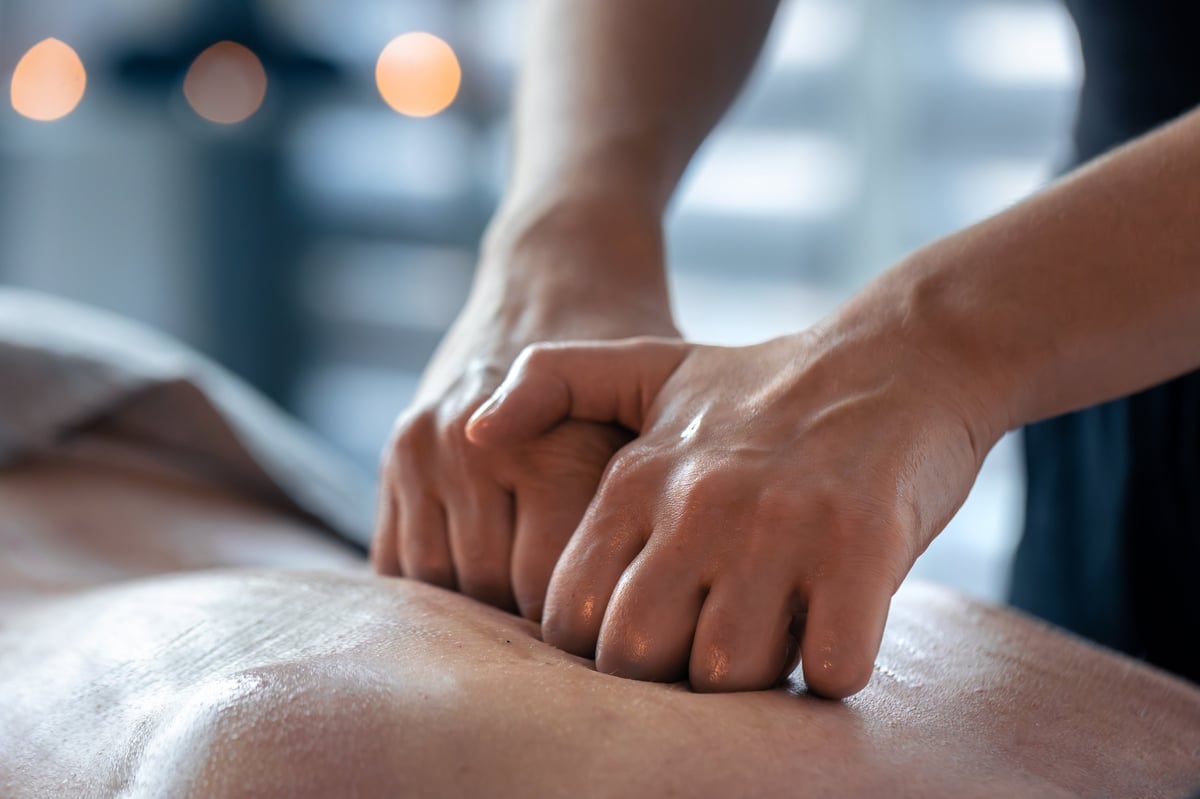
Deep tissue work reaches the deeper layers of muscle and the connective tissue around them. It's slower and more deliberate than a relaxation massage, using firm pressure and friction across the grain of the muscle to break down adhesions and restore proper fiber alignment.
This is the work for chronic tightness, old injuries that never fully let go, and the kind of tension that's been building for months. Pressure is always adjusted to you — deep doesn't mean painful.
Why It Works
Deep tissue manipulation mechanically stresses the adhesions and scar tissue that restrict muscle movement, encouraging them to remodel into more organized, functional tissue. It also stimulates circulation and can calm overactive pain signaling. Research on deep tissue and therapeutic massage consistently links it to reduced pain, reduced tension, and improved function in chronic musculoskeletal conditions.
Combine Them
When you book, we'll talk through your pain, your history, and your goals — then I'll layer these techniques into a session built for you, in the comfort of your own home or office.